



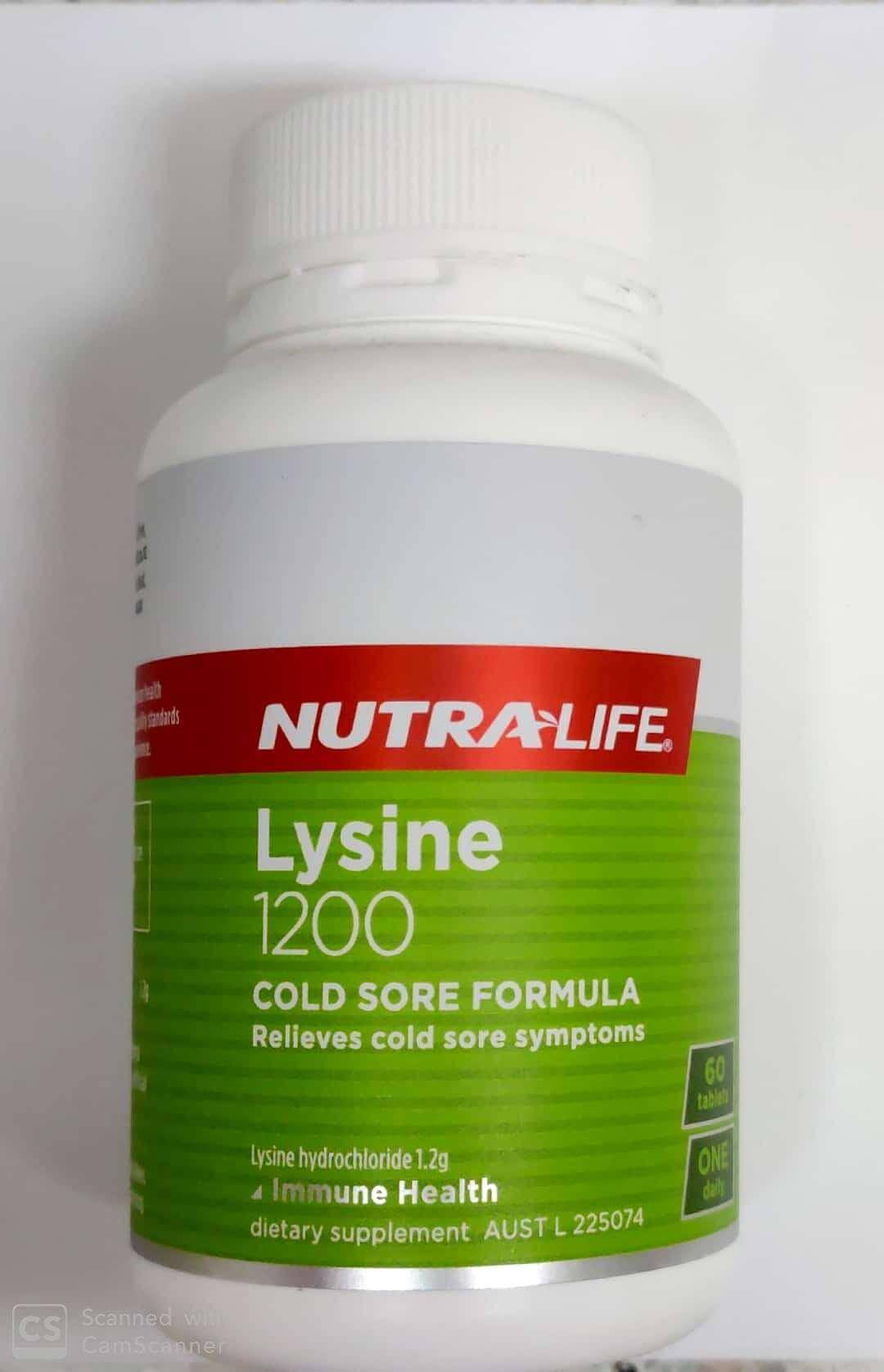
Nutralife Lysine 1200mg 60 Tablets – L-Lysine for Cold Sore Prevention, Immune Support & Collagen Synthesis





Description
xNutralife Lysine 1200mg 60 Tablets – L-Lysine for Cold Sore Prevention, Immune Support & Collagen Synthesis
Nutralife Lysine 1200mg provides a high therapeutic dose of L-lysine per tablet — an essential amino acid with well-established evidence for reducing the frequency, severity, and healing time of cold sores (Herpes simplex labialis). Lysine works by competing with arginine (the amino acid that the herpes simplex virus requires for replication) — by increasing the body's lysine-to-arginine ratio, viral replication is inhibited. Lysine is also an essential building block for collagen synthesis and plays roles in immune function and calcium absorption. 60 tablets.
- L-Lysine 1200mg — high therapeutic dose per tablet
- Competes with arginine to inhibit HSV replication — reduces cold sore frequency and severity
- Supports collagen synthesis for skin, connective tissue, and wound healing
- Supports immune function
- 60 tablets — Nutralife NZ quality
Frequently Asked Questions
How does L-Lysine prevent cold sores?
The herpes simplex virus (HSV-1) requires the amino acid arginine for viral replication. Lysine and arginine compete for the same intestinal absorption transporter and the same cellular uptake pathways — so a high lysine intake effectively reduces arginine availability in cells, starving the virus of the amino acid it needs to replicate. Multiple clinical trials show that 1000–3000mg daily of lysine reduces the frequency of cold sore outbreaks and reduces healing time during active outbreaks compared to placebo.
How should I take Lysine for cold sore prevention vs active outbreak?
For prevention: take 1 tablet (1200mg) daily. Avoid arginine-rich foods (nuts, seeds, chocolate, whole grains) during outbreak-prone periods as these compete with lysine. For an active outbreak: increase to 2–3 tablets daily (2400–3600mg) at the first sign of tingling or blister formation, and continue until the sore heals. Return to 1 tablet daily for maintenance once resolved.
What foods are high in arginine and should be limited when taking lysine for cold sores?
The main arginine-rich foods to limit during outbreaks or high-risk periods are: nuts (especially almonds, walnuts, peanuts), seeds (sunflower, pumpkin), chocolate and cocoa, whole grains (wheat germ, oats), and gelatine. These do not need to be avoided completely in everyday life — but during an active outbreak or when a cold sore is triggered, reducing these foods alongside increasing lysine can significantly shorten healing time.
Does L-Lysine help with collagen production?
Yes. Lysine is one of the three amino acids (alongside proline and glycine) that form the structural backbone of collagen. It is also required for the hydroxylation of proline and lysine residues in procollagen — a step dependent on Vitamin C — that is essential for forming stable collagen cross-links. Adequate lysine intake supports skin integrity, wound healing, tendon and cartilage health, and bone mineral density (lysine enhances calcium absorption and reduces urinary calcium loss).
Is Nutralife Lysine safe for long-term daily use?
Yes. L-Lysine is an essential amino acid with an excellent long-term safety profile at doses up to 3000mg daily. No significant adverse effects have been identified in clinical studies at standard supplemental doses. People with existing kidney disease should consult their GP before taking high-dose amino acid supplements, as excess amino acids are processed through the kidneys.

- Choosing a selection results in a full page refresh.